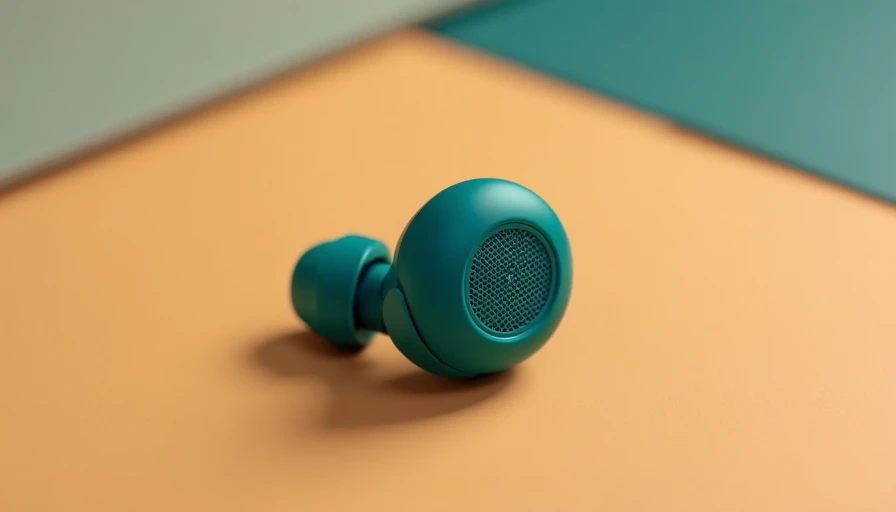
The best wireless earbuds with good bass should make a commute, workout, or late-night playlist more enjoyable without turning every song into a blurry wall of low frequencies. I have spent enough time testing earbuds in real routines to know that bass is only half the buying decision. Comfort, connection stability, microphone quality, battery life, and phone compatibility determine whether a pair stays in your pocket or ends up in a drawer.
A good bass response should feel present and controlled. You should hear the kick drum in a rock track, the weight of a bass guitar, or the low-end pulse in electronic music without losing vocals and guitars. Buy for how you live, not for how it looks on the spec sheet.
What good bass actually sounds like
Strong bass does not necessarily mean the biggest bass. The best wireless earbuds with good bass deliver impact when a song calls for it, then get out of the way for speech and higher notes. Overly boosted earbuds can make a podcast sound muddy and cause busy mixes to lose detail.
Fit is a major part of this experience. In-ear tips create a seal that keeps bass from leaking away, so an earbud that sounds weak with a loose fit can sound dramatically better with the right tip. Most quality models include several sizes. Try each one while walking, talking, and chewing before deciding that the tuning is wrong.
Active noise cancellation also changes what you hear. By reducing train noise, office chatter, or airplane engine rumble, ANC lets you listen at a lower volume while still noticing the low end. The Sony WF-1000XM5 and Bose QuietComfort Ultra Earbuds are strong choices for listeners who want immersive sound and effective noise reduction, although both typically cost more than mainstream models.
Our practical picks by listening style
For a balanced premium option, the Sony WF-1000XM5 is an easy recommendation. It offers detailed sound with satisfying low-end weight, useful noise cancellation, and a compact case. Here’s who this makes sense for: someone who listens for hours, moves between a phone and laptop, and values a refined sound more than the lowest possible price.
The Bose QuietComfort Ultra Earbuds are better suited to a listener who puts noise cancellation first. Their presentation feels energetic and spacious, which works well for hip-hop, pop, and movie soundtracks. They are not the smallest earbuds, so test the shape carefully if your ears become sore during long sessions.
Beats Fit Pro remains a practical choice for workouts and Apple-heavy households. The secure wingtip design helps during runs and gym sessions, while the bass-forward tuning suits modern playlists. Android users can use them too, but some Apple ecosystem features are more seamless with an iPhone.
For value, Anker Soundcore Liberty 4 NC is worth considering when you want substantial bass, noise cancellation, and useful battery life without spending $200 or more. Soundcore’s app gives you an equalizer, so you can reduce a boomy preset or add more low-end punch. This sounds better on paper than it feels in daily use only if the fit is poor, so do not skip the seal check.
How to choose for commuting and work
Commuters should prioritize ANC, secure fit, and call performance over maximum volume. A subway ride exposes weak noise isolation quickly. A pair such as the Sony WF-1000XM5 or Bose QuietComfort Ultra Earbuds can make the ride less tiring because you do not need to fight the environment with louder music.
For hybrid work, microphone quality and multipoint Bluetooth deserve more attention. Multipoint allows earbuds to stay connected to two devices, such as a work laptop and personal phone. It is convenient when a call arrives while music is playing, but implementation differs between brands. Read the connection notes before assuming every model switches perfectly.
Battery claims also need context. Earbuds may offer six to eight hours per charge with ANC disabled, while noise cancellation can reduce that figure. The charging case often adds two or three extra full charges. A ten-minute quick charge can be more useful than an impressive total number if you frequently forget to charge overnight.
If your routine includes calls from a noisy sidewalk, listen to a few recorded samples before committing. Some earbuds sound excellent for music but transmit wind or traffic clearly to the other person. That is one reason the best wireless earbuds with good bass are not automatically the best work earbuds.

Android and iPhone compatibility matters
An iPhone owner may get the smoothest setup from Beats or AirPods, especially when switching between Apple devices. AirPods Pro offers excellent integration and effective noise control, but its default sound is more balanced than bass-heavy. You can adjust the listening experience with accessibility and audio settings, though it is not the same as choosing an aggressively tuned pair.
Android users should look for a capable companion app, reliable firmware updates, and Google Fast Pair support. Sony, Soundcore, Bose, and Sennheiser all offer useful Android-friendly options, but feature support varies by model. Check whether the app includes an equalizer, ear-tip fit test, and controls customization.
Do not overpay for a feature your phone cannot use. Spatial audio can be fun for compatible movies, while advanced codecs can improve quality on certain devices. Neither feature fixes poor comfort or a weak seal. The best wireless earbuds with good bass are the ones that work smoothly with the phone you already carry.
A simple buying checklist
Start by setting a realistic budget. Around $60 to $100 can buy surprisingly capable earbuds, especially during sales. The $150 to $250 range generally brings better ANC, microphones, materials, and companion software. A premium price is justified when you will wear the earbuds several hours a day, not simply because a product has a longer feature list.
Next, match the design to your routine. Choose a stable wingtip or sport-oriented shape for running. Choose a smaller, lighter shell for long office sessions. If you often travel, prioritize ANC and a case that supports USB-C charging. If you lose small accessories, a model with a good device-finding feature can save more frustration than a minor sound upgrade.
Then check return terms. Ear shape is personal, and comfort cannot be predicted perfectly from reviews. Test each earbud for at least 30 minutes, walk around, make a call, and try your usual music. Compare vocals, kick drums, bass guitar, and spoken audio instead of judging one bass-heavy track.
Final buying advice
The best wireless earbuds with good bass should fit your routine before they impress you in a product photo. Sony is a strong premium all-rounder, Bose makes sense for serious noise cancellation, Beats fits active Apple users, and Soundcore offers a persuasive value path. Sennheiser is worth a look if musical detail matters as much as low-end energy.
Whichever direction you take, spend a few minutes finding the correct ear tips and tuning the equalizer. Those two steps can change the result more than moving from one expensive model to another. If you want bass you can feel without sacrificing clear voices, start with fit, then compare tuning, ANC, battery life, and price. That is the practical route to earbuds you will still enjoy six months from now.