A 10000 mah powerbank is the practical middle ground for people who need extra phone battery without carrying a brick in their bag. It is usually small enough for a commute, capable enough for a long airport day, and less annoying than a high-capacity model that stays home because it weighs too much. Buy for how you live, not for how it looks on the spec sheet.
The important detail is that the number printed on the package is not the amount of power your phone receives. Some energy is lost as electricity moves through the power bank, cable, and phone charging system. In everyday use, a 10000 mah powerbank often provides roughly one full phone recharge plus a substantial top-up, depending on your phone, battery health, charging speed, and how much you use the device while charging.
Who should buy a 10000 mah powerbank?
This capacity makes the most sense for a commuter, remote worker, traveler, or anyone who regularly ends the afternoon below 30 percent battery. If you use an iPhone 15, iPhone 16, Samsung Galaxy S24, Google Pixel 8, or a similar phone, a 10000 mah powerbank can usually get you through a demanding day and still leave some reserve.
It is also a good fit for people carrying earbuds, a smartwatch, or a small Bluetooth tracker. Those accessories do not consume much energy, so the power bank can handle several small top-ups after helping your phone. A runner might keep one in a gym bag, while a hybrid worker can leave one beside a laptop sleeve for meetings away from an outlet.
Here is who this makes sense for: someone who wants insurance against a dead phone, not an all-week power station. If you regularly charge a tablet, camera, handheld game console, or laptop, step up to a larger model with a higher wattage output. A 10000 mah powerbank is convenient because it stays portable, but that portability comes with limits.
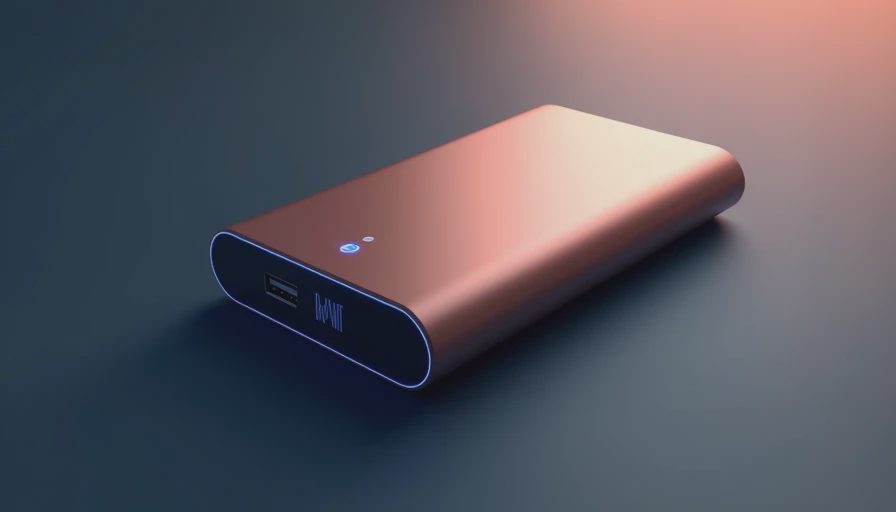
What can it charge in real life?
A typical 10000 mah powerbank can recharge a modern smartphone around one to two times, although the result depends on the phone's battery size and charging losses. A smaller phone battery may receive close to a full second charge. A large Android phone with a battery near 5,000 mAh will usually get about one full recharge, with some energy left for a later top-up.
That estimate changes when you use the phone during charging. Streaming video, navigating with Google Maps, taking photos, or using a bright screen pulls energy at the same time the battery is trying to fill. In that situation, the power bank may extend your phone's runtime for many hours rather than restore it from zero to 100 percent.
Check the ports before buying. USB-C input is now the sensible baseline because it lets you recharge the power bank with the same cable used by many current phones. USB-C output is even more useful, especially when the unit supports Power Delivery. A 20-watt output is enough for many phones, while 30 watts gives more flexibility for newer devices and some small tablets.
Do not assume every port offers the same speed. Some low-cost models include USB-A ports for compatibility but reserve their faster charging for USB-C. The product label should state output wattage and supported standards clearly. If the listing only talks about capacity and says nothing about charging speed, I would keep looking.
Features that matter more than flashy capacity claims
The best 10000 mah powerbank is not necessarily the one with the brightest display or the longest feature list. Start with weight, dimensions, port placement, and cable convenience. A model around 7 to 9 ounces is easy to carry in a jacket pocket or small work pouch. A built-in cable can reduce clutter, but inspect the cable's connector and length before treating it as a major benefit.
Safety features deserve attention. Look for overcharge, overcurrent, short-circuit, and temperature protection. Reputable brands such as Anker, Belkin, INIU, and UGREEN generally explain these protections more clearly than anonymous marketplace brands. That does not mean every branded model is perfect, but transparent specifications and a real warranty are valuable when a battery will sit beside your phone and travel in your bag.
Wireless charging is useful when you want to place a compatible phone on the unit without finding a cable. It is usually slower and less efficient than wired charging, and the phone can shift out of alignment in a moving car or crowded train. Treat it as a convenience feature, not the main reason to buy.

Comparing capacity, size, and daily convenience
A 5,000 mAh model is often lighter and can provide an emergency boost, but it may not restore enough battery for a full day. A 10000 mah powerbank adds useful reserve while remaining pocket-friendly. A 20,000 mAh model offers much more energy for tablets, multiple phones, and multi-day travel, yet it is heavier and more likely to live in a backpack instead of a pocket.
For an ordinary office commute, the 10,000 mAh class is usually the sensible choice. For a weekend camping trip without reliable outlets, a 20,000 mAh unit is easier to justify. For laptop charging, look beyond capacity and check USB-C Power Delivery wattage; many standard power banks cannot supply enough power to keep a laptop running.
Price is another practical filter. Reliable 10,000 mAh models often sell between $20 and $50, with higher prices buying faster output, better materials, wireless charging, or a longer warranty. A $12 listing can look attractive, but unclear capacity testing, poor cables, and weak port construction can erase the savings quickly.
How to choose one without overthinking it
First, identify the device you will charge most often and check its battery size and preferred charging standard. Second, choose USB-C input and output unless you have a specific reason not to. Third, target at least 18 to 20 watts for a phone-focused 10000 mah powerbank. Fourth, compare actual dimensions and weight rather than trusting product photos. Fifth, confirm that the package includes the cable you need.
Then consider your routine. A commuter who charges at a desk may only need a basic model with one USB-C port. A traveler might prefer two outputs, a percentage display, and pass-through charging, though pass-through behavior varies by design. Someone who carries an iPhone with MagSafe accessories may appreciate magnetic alignment, but a wired connection remains faster and more dependable.
Finally, buy from a retailer with a clear return policy. Test the power bank during the first week by charging your phone from roughly 20 percent and noting how much energy remains. That simple check tells you more than a dramatic package claim.
The bottom line
A 10000 mah powerbank is the everyday choice I recommend most often because it solves the common problem without creating a new one in your bag. It can cover a long commute, rescue a phone during travel, and handle earbuds or a watch without the bulk of a larger battery pack.
Choose a 10000 mah powerbank with USB-C, around 20 watts of output, clear safety information, and a weight you will actually carry. If your routine never stresses this feature, do not pay extra for a giant capacity or complicated display. The smartest purchase is the one that leaves home with you when your phone battery starts falling.