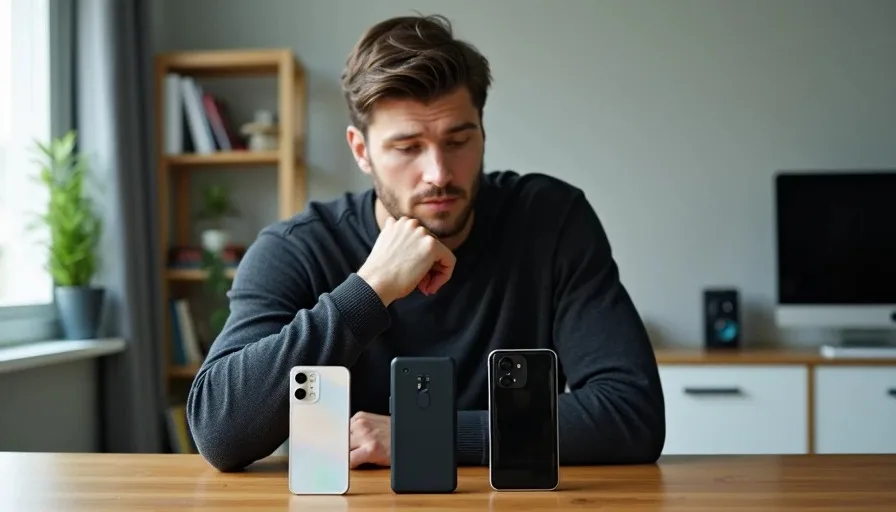
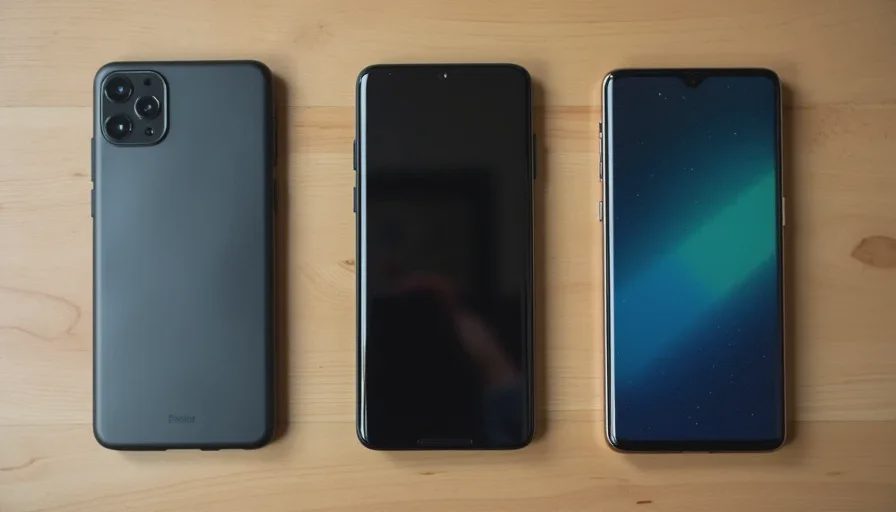
The moment you start shopping for a phone, tablet, earbuds, or almost any consumer tech product, you face the same three-way split: cheap, midrange, or flagship. The labels sound simple, but the decision is not. A cheap device can be a smart buy or a false economy. A flagship can be worth every dollar or a wasteful flex. And the midrange—often ignored in the excitement—is where most people should actually look.
I spent eleven years in consumer electronics retail watching customers move between these three tiers. The ones who made the best choices were not the ones who spent the most or the least. They were the ones who matched the tier to the way they actually used the device. That is the smarter way to choose, and it has very little to do with what the spec sheet says.
The Real Difference Between the Tiers
The difference between cheap, midrange, and flagship is not simply quality. It is where the manufacturer chooses to cut corners and where it chooses to invest.
Cheap: The Basics With Compromises
Cheap devices cover the core functions—calls, messages, apps, media, and basic photos—but they cut corners on the parts you feel over time: screen quality, battery consistency, build materials, camera performance in low light, and software support duration. A cheap phone or tablet is fine for light use, but it usually shows its limits after a year or two.
That does not mean cheap is bad. It means cheap is a tradeoff. You get a working device now at a low price, but you accept that it will age faster and frustrate you sooner.
Midrange: The Balanced Sweet Spot
Midrange devices are built around the features most people use every day. They have good screens, decent cameras, solid battery life, and enough performance for normal tasks. They skip the extreme features—the highest refresh rates, the most powerful chips, the pro camera systems—that only a small group of users actually needs.
The midrange is where the value lives because the manufacturer is not paying for flagship marketing or bleeding-edge components. You get 85 to 90 percent of the experience for 50 to 60 percent of the price.
Flagship: The Best, But Not Always Necessary
Flagships are the complete package: the fastest processors, the best screens, the most advanced cameras, the premium materials, and the longest software support. They are excellent devices, but they are built for people who will use the extra capability. If you do not edit video, play demanding games, or take photos in challenging conditions, a flagship is mostly wasted potential.
That is the key point: flagship is not automatically better for you. It is only better if the extra features align with your actual needs.
Who Should Buy Cheap
Cheap devices make sense for a specific set of users.
Light Users and Secondary Devices
If you mostly use your phone for calls, texting, light browsing, and the occasional photo, a cheap device will cover your needs. The same applies to secondary devices: a tablet for the kitchen, a phone for a kid, or a backup device for travel. In these roles, the compromises do not hurt because the device is not doing heavy work.
People on a Tight Budget With Realistic Expectations
A cheap device is better than no device. If your budget is limited, a cheap phone or tablet keeps you connected and productive. The key is to go in with realistic expectations. The device will not feel premium, the camera will struggle in low light, and the battery may need a mid-day top-up as it ages. If you accept those limits, you will be satisfied. If you expect flagship performance at a cheap price, you will be disappointed.
Short-Term Needs
Sometimes you need a device for a limited time—a few months while traveling, a temporary replacement after a loss, or a bridge until the next big purchase. In those cases, buying cheap makes more sense than paying for longevity you will not use.
Who Should Buy Midrange
The midrange is the right choice for more people than either other tier. It is not the compromise some people assume it to be. It is the rational default.
Most Everyday Users
If your daily routine includes messaging, social media, web browsing, streaming, navigation, and taking photos of family and friends, a midrange device does everything you need. It is fast enough, the screen is good enough, and the battery lasts a full day. You will not notice the missing flagship features because those features do not serve your routine.
Buyers Who Want Longevity Without the Price
A good midrange phone or tablet can last three to four years with proper care. The build quality is solid, the software support is reasonable, and the performance headroom is enough for the next few years of app updates. You get longevity without paying the flagship premium.
People Who Prefer Value Over Status
The midrange buyer is not trying to impress anyone. They want a tool that works well and leaves money in their pocket. That is the smartest position in consumer tech. The money saved can go toward accessories, a better case, or simply staying in the bank.
Who Should Buy Flagship
Flagships are not for everyone, but they are right for a specific group.
Heavy Users and Content Creators
If you edit video on your phone, play graphically demanding games, or run multiple demanding apps at once, a flagship processor and display make a real difference. The extra performance is not theoretical. It shows up in faster exports, smoother frame rates, and less heat.
Photography Enthusiasts
The camera gap between midrange and flagship is real, especially in low light, zoom, and video. If you take photos that matter—for work, for creative projects, or because you are the family photographer—a flagship camera system earns its cost. The better sensors and processing produce results you can see.
People Who Keep Their Devices a Long Time
Flagships receive the longest software support, often five to seven years of updates. If you plan to keep the device for four or more years, the higher upfront cost amortizes over a longer useful life. A flagship bought today can still feel current in 2029, while a cheap device bought today may feel dated in two years.
Buyers Who Want the Best and Can Afford It
There is nothing wrong with buying the best if you can afford it and you understand what you are paying for. The key is honesty. If you want the flagship because you enjoy having the best, that is a valid reason. Just do not pretend it is a necessity. Knowing the difference is what separates a smart buyer from a marketing victim.
A Simple Decision Framework
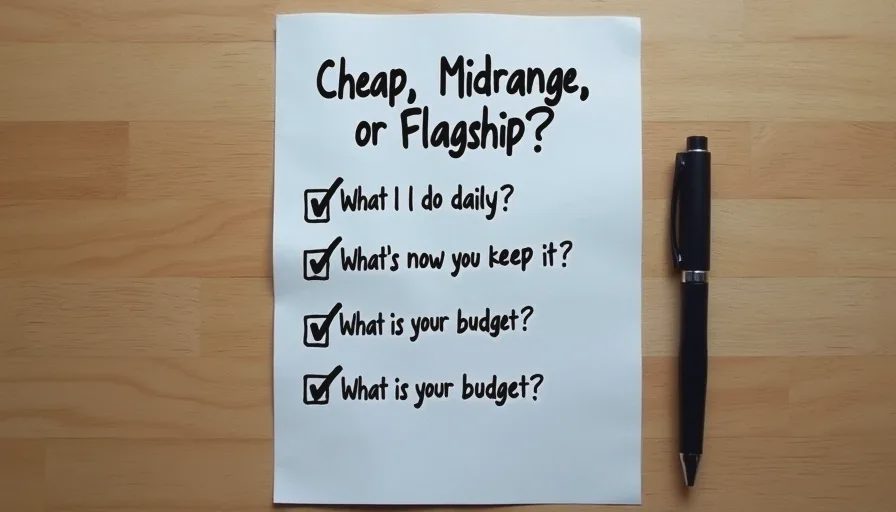
When choosing between cheap, midrange, and flagship, work through these questions in order.
What Do I Actually Do Every Day?
List the tasks you perform most. Be specific. “Browsing, texting, streaming, photos of my kids, maps” is a very different list from “editing 4K video, gaming, shooting client work.” The first list points to midrange. The second points to flagship. The list does not lie.
How Long Do I Plan to Keep This Device?
If you upgrade every year or two, cheap and midrange make more sense because you will not be living with the compromises for long. If you keep devices for four or five years, flagship longevity becomes more attractive.
What Is My Actual Budget?
The smartest buyers set a budget before they start shopping. That single habit prevents the slow drift from midrange to flagship that happens when a salesperson says “for only $100 more.” The price ladder is designed to pull you upward. A firm budget stops the climb.
Which Features Will I Use After the First Week?
The excitement of new features fades quickly. A month after purchase, most people use their phone for the same things they did before. Ask yourself which features will still matter after the novelty wears off. If the answer is “none,” buy the cheaper tier.
Common Mistakes That Push People to the Wrong Tier
Buying Cheap to Save Money, Then Replacing Early
The false economy trap is real. A cheap device that frustrates you after a year and forces an early replacement can cost more in the long run than a midrange device that lasts three years. The cheapest option is not always the most affordable over time.
Buying Flagship for Features That Go Unused
The opposite mistake is paying for capability you never use. A flagship phone with a pro camera system is wasted on someone who takes casual snapshots. A flagship tablet with a desktop-class chip is overkill for reading and email. The money spent on unused features is money that could have gone elsewhere.
Ignoring the Midrange Because It Lacks Status
Some buyers skip the midrange because they think it looks cheap or feels like settling. That is marketing talking. The midrange is not settling. It is choosing the right tool for the job. The best value in consumer tech lives in the midrange, and the people who find it are usually the most satisfied long-term.
What I Learned From the Sales Floor
I watched customers walk in determined to buy a flagship, then leave with a midrange model after a honest conversation about what they actually do with their phone. I also watched customers insist on the cheapest option, only to return months later complaining about battery life and lag. The pattern was consistent: the people who matched the tier to their routine were happy. The ones who bought based on price alone or status alone were not.
The sales floor taught me that most people need less than they think. The marketing makes every feature feel essential, but daily life tells a different story. The smartest buyers are the ones who listen to their own routine, not the spec sheet.
Final Note: The Smarter Way Is a Personal Way
There is no single correct tier. The right choice depends on your needs, your budget, and how long you plan to keep the device. The key is to make the choice deliberately, not by default.
Cheap is smart when the device is a light-use tool. Midrange is smart when the device is a daily workhorse. Flagship is smart when the extra capability serves your work or your passion. The smarter way to choose is to buy the tier that matches your life—not the one that looks best in a comparison video.
Buy for how you live, not for how it looks on the spec sheet. That rule applies to every tier.