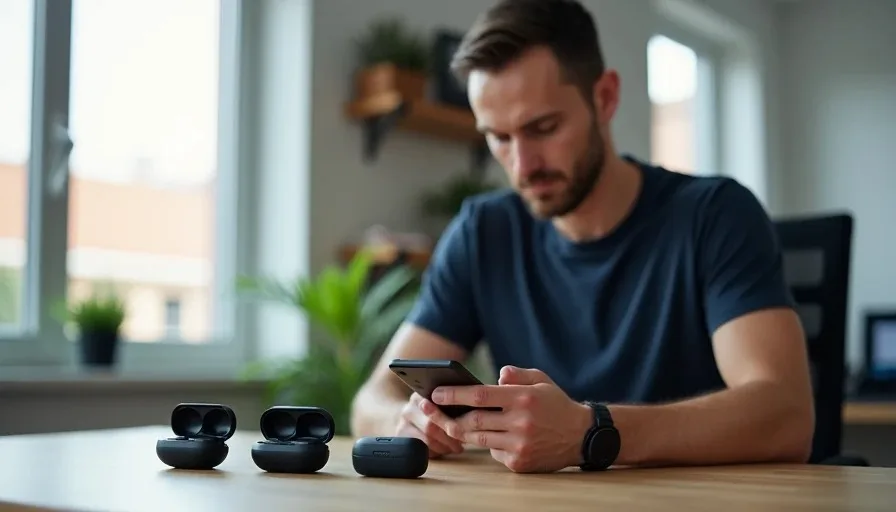
The wireless earbuds market has matured to the point where the biggest brands are now selling refinements rather than revolutions. A new model arrives with a slightly better chip, a marginally lighter case, or an adaptive noise cancellation mode that most people will never notice. The specs change, the price stays high, and the upgrade question gets harder to answer. If you bought a decent pair of earbuds in the last two or three years, the honest truth is that most new models will not change your daily experience.
That does not mean upgrades are pointless. It means the bar for what counts as a real earbud upgrade has shifted. In 2026, a meaningful upgrade is not about having the newest model. It is about fixing a specific limitation you already feel. This guide breaks down what actually matters now and what you can safely ignore.
The Plateau: Why Most New Earbuds Feel the Same
Wireless earbuds have hit a functional plateau. Battery life, connection stability, and sound quality have all reached a level where the average user cannot tell the difference between a midrange pair and a flagship pair in daily use. The differences that remain are mostly in the margins: a little more noise cancellation, a little more codec support, a little more integration with one specific phone brand.
This plateau is good news for buyers. It means you do not need to chase every release. A good pair of earbuds from 2023 or 2024 can still do everything most people need in 2026. The pressure to upgrade is largely manufactured by launch cycles and comparison videos that exaggerate small changes.
What Actually Counts as a Real Upgrade
A real upgrade solves a problem you experience on a regular basis. It is not about having the latest features. It is about removing a daily annoyance or adding a capability that changes how you use the earbuds.
Fit and Comfort Improve Significantly
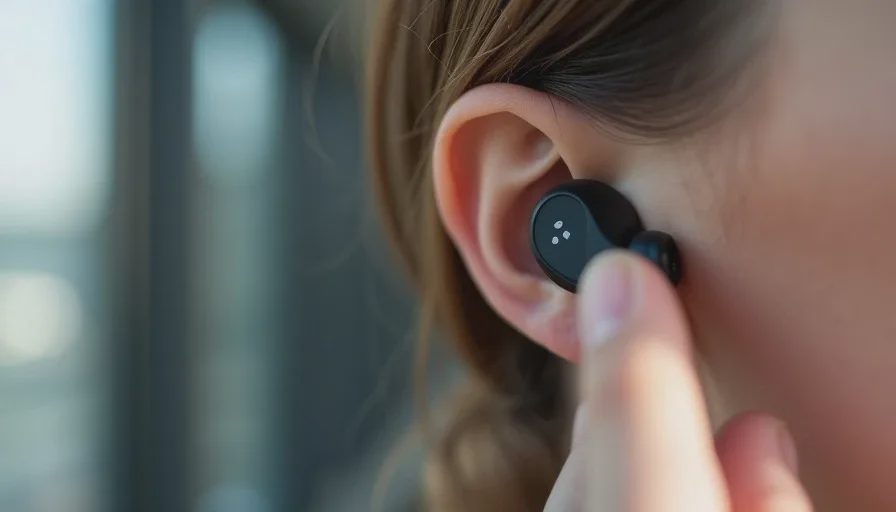
If your current earbuds hurt after an hour, fall out during workouts, or never feel secure, a new pair with a better shape or a different tip system can be a genuine upgrade. Comfort is the most underrated factor in earbud satisfaction. A pair that fits well disappears from your awareness. A pair that does not fit becomes a constant source of irritation.
Before buying new earbuds for comfort reasons, try different ear tips on your current pair first. Sometimes a $10 pack of foam or silicone tips solves the problem. If the earbud body itself is too large or too heavy, then a different model makes sense.
Battery Life Extends Past Your Longest Day
If your current earbuds need charging before the end of a travel day, and you regularly have long days, a new pair with meaningfully better battery life is a real upgrade. The key word is meaningfully. Going from five hours to six hours is not a life-changing difference. Going from five hours to eight or nine hours is.
Also consider the charging case. Some cases now provide multiple full charges and support fast charging that gives you an hour of use after a few minutes in the case. If your current case barely gets you through a week, that is a practical reason to upgrade.
Call Quality Improves in Outdoor Settings
This is one area where newer models have made real progress. If you take calls outdoors, in windy conditions, or in noisy rooms, microphone quality matters more than sound quality. Older earbuds often struggle with wind noise and background chatter. Newer models with better microphone arrays and noise isolation can make your voice clearer on the other end.
If call quality is a daily pain point, an upgrade here is justified. But test the new earbuds in realistic conditions before committing. Store demos and quiet-room reviews do not reflect how they perform on a windy street or a busy train platform.
Multipoint Connection Becomes Reliable
Multipoint—the ability to connect to two devices at once—has existed for years, but it has not always been stable. In 2026, the best implementations switch smoothly between a laptop and a phone without dropping audio or requiring manual reconnection. If you regularly move between a computer and a phone, and your current earbuds make that process annoying, a new pair with solid multipoint support can be a real upgrade.
This is a feature that matters more for hybrid workers and frequent travelers. If you only use earbuds with your phone, multipoint is irrelevant.
What Does Not Count as a Real Upgrade
The marketing language around new earbuds is full of terms that sound impressive but rarely change daily use. Here are the things that should not drive a purchase.
Slightly Better Active Noise Cancellation
Active noise cancellation has improved across the industry, but the gains from generation to generation are now small. If your current earbuds already reduce airplane hum and office chatter to an acceptable level, a new pair with “2x better ANC” will not transform your experience. The law of diminishing returns applies here.
The bigger factor is passive isolation from a good seal. Upgrading to better ear tips often improves noise blocking more than switching earbuds.
New Codec Support
Lossless audio codecs and high-bitrate wireless transmission are often promoted as major advances. For most listeners, the difference is inaudible in real-world conditions. You need high-quality source files, a quiet environment, and careful listening to notice any difference. If you mostly stream music from a phone while commuting or working, codec upgrades are not a reason to buy.
Spatial Audio and Head Tracking
Spatial audio is impressive in a demo. In daily life, it does not matter for podcasts, audiobooks, or most music. Head tracking can even be annoying when the sound shifts as you turn your head. This is a feature that looks good on a spec sheet but rarely earns its place in a daily routine.
Slightly Smaller or Lighter Case
A smaller case is nice, but it is not a reason to spend hundreds of dollars. Unless your current case is so bulky that you leave the earbuds at home, a 10% reduction in case size will not change your life. This is a refinement, not an upgrade.
The Upgrade Test: Three Questions
Before you buy new wireless earbuds in 2026, ask yourself these three questions:
What specific problem am I trying to solve? If you cannot name the problem, you do not have a reason to upgrade.
How often does this problem actually happen? A problem that occurs once a month is not a reason to spend money. A problem that occurs daily is.
Will a new pair solve it better than a smaller fix? Sometimes new ear tips, a battery case, or a firmware update solves the problem without a new purchase.
If the answer to the third question is no, you are probably buying for novelty rather than utility.
When an Upgrade Makes Sense in 2026
The people who will benefit most from upgrading in 2026 are those whose current earbuds are three or more years old and showing real limitations. If your battery life has degraded, your calls sound muffled, or your earbuds struggle to stay connected, a modern midrange pair will feel like a significant step up.
The people who should not upgrade are those with a recent pair that still fits well, holds a charge, and handles calls acceptably. The marginal gains on offer are not worth the cost. The best move for them is to wait another year or two and let the refinements accumulate into something more substantial.
The Midrange Sweet Spot
In 2026, the midrange segment is where the real value lives. Flagship earbuds push the price higher every year, but the features that trickle down to midrange models are often just as useful. Good noise cancellation, solid call quality, reliable multipoint, and comfortable fit can all be found without paying flagship prices.
If you are upgrading from an older pair, start in the midrange. You may find that the gap between a $120 pair and a $250 pair is smaller than the marketing suggests. The extra money buys refinements, not transformations.
A Note on Brand Ecosystems
Some earbuds work better with specific phone brands. Fast pairing, automatic switching, and custom controls can be locked to one ecosystem. If you own a phone from a major brand, the matching earbuds may offer a smoother experience. But do not treat this as a requirement. Good third-party earbuds work fine across platforms, and ecosystem lock-in is not worth paying extra for unless the integration solves a specific daily problem.
Final Advice: Upgrade the Problem, Not the Spec
The best earbud upgrade in 2026 is the one that removes a frustration you already feel. If your current pair hurts after an hour, find something that fits better. If your calls are consistently hard to hear, find something with a better microphone. If your battery dies on long days, find something that lasts longer.
What you should not do is upgrade because a new model launched and the marketing says it is better. In a mature market, better is often just different. The bar for a real upgrade is higher than it used to be, and that is a good thing. It means you can keep your money until a genuine improvement comes along.
Buy for how you live, not for how it looks on the spec sheet—and that applies to earbuds more than almost anything else.