The best charger for travel and daily carry is not the one with the highest wattage on the box. It is the one that matches the device you actually carry, fits the space you have, and stays out of your way until you need it. I learned this during my retail years, watching customers buy the biggest multi-port charger they could find and then leave it at home because it was too bulky for a bag or too awkward for a car cup holder.
A charging setup works when it is boring. You stop thinking about cables, you stop borrowing power bricks, and you stop arriving places with a dead phone. The way to get there is not to buy more chargers. It is to put the right charger in the right place and leave it there.
The Three Charging Spots That Matter Most
Most people need a charger in three places: the bag they carry daily, the car they drive, and the nightstand where their phone rests overnight. These three spots cover the majority of daily charging needs. The goal is a simple, repeatable setup that removes low-battery anxiety without turning your bag into a cable museum.
Bag Charger: Compact and Multi-Device Ready
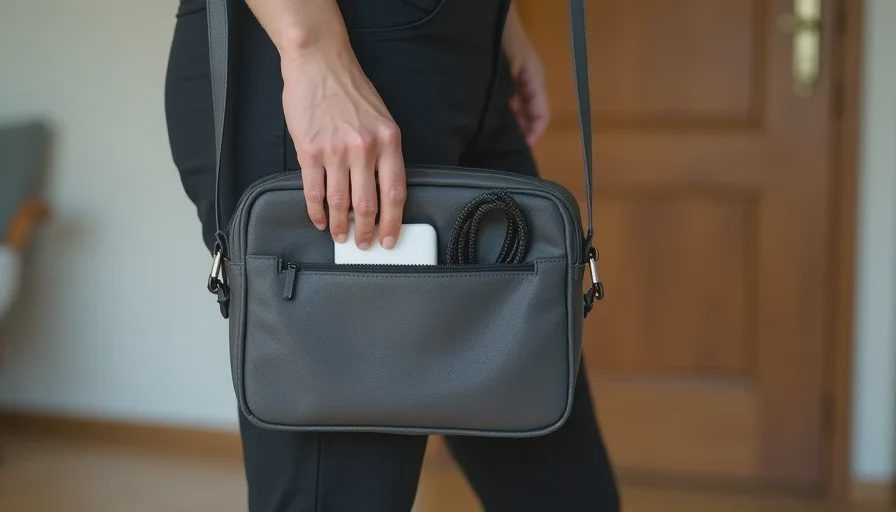
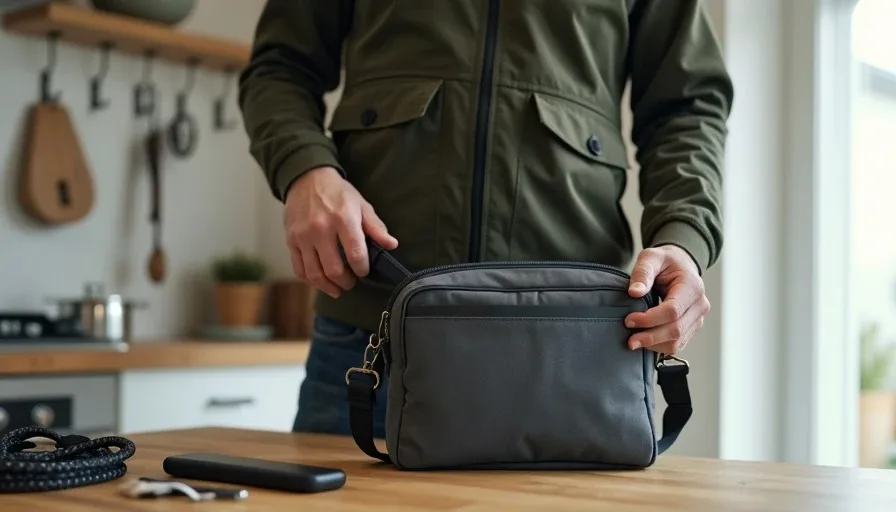
The charger in your daily bag should be small, reliable, and able to handle more than one device at a time. That does not mean it needs to charge a laptop at full speed. It means it should cover your phone, earbuds, and maybe a tablet or power bank without forcing you to choose.
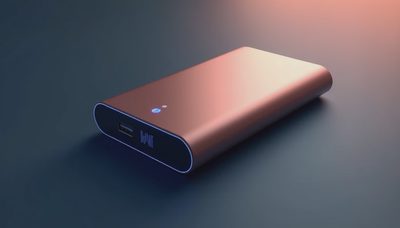
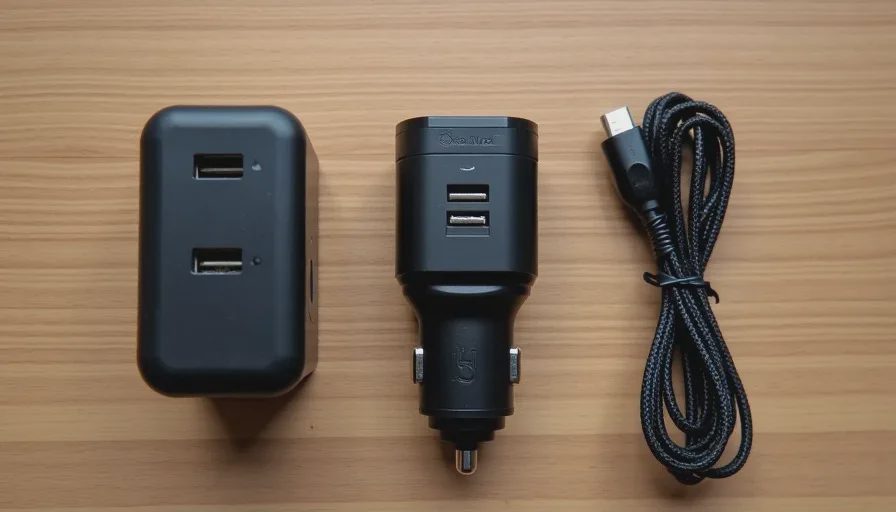
Look for a charger with at least two ports—one USB-C and one USB-A covers the widest range of cables and devices. If you carry a laptop that charges over USB-C, look for a wattage that can maintain the battery during light use. For most people, 30W to 65W is the sweet spot. Higher wattage adds size and heat without much benefit if you only charge a phone and earbuds.
The cable matters as much as the brick. A braided cable that coils without tangling will survive a bag better than a thin one that frays at the connector. Keep one cable dedicated to the bag charger so you never pull it out for a different purpose and forget to put it back.
Car Charger: Low Profile and Heat Tolerant
A car charger lives in a harsh environment. It gets hot in summer, cold in winter, and constantly vibrates. The best car charger is one you plug in once and forget about. It should sit flush enough that you do not hit it with your hand or cargo, and it should handle the slow, steady draw of navigation and music streaming without overheating.
One USB-C port and one USB-A port is usually enough for a car. You want enough output to keep the phone charged while using maps and streaming, but you do not need fast-charging theatrics. The phone will often sit on the charger for the whole drive, so consistent low-to-mid power beats a burst of speed followed by heat-related slowdown.
If your car has a built-in USB port that actually maintains charge, use it first. But many factory ports are weak, especially in older vehicles. A dedicated car charger solves that without much cost.
Nightstand Charger: Slow, Quiet, and Gentle
The nightstand charger has one job: charge your phone overnight without waking you up or stressing the battery. This is the one place where slower charging is often better. You have hours, not minutes. A low-wattage charger generates less heat and is easier on the battery over time.
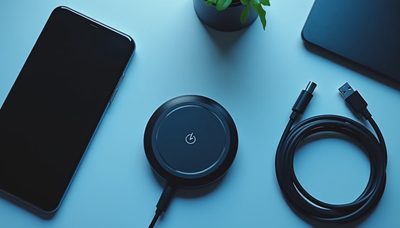
A simple single-port USB-C charger with a six-foot cable works well. The longer cable lets you use the phone in bed without tugging the charger out of the wall. If you charge a watch or earbuds overnight too, a small multi-port charger can consolidate the mess, but make sure it does not have bright LED lights. Some chargers have indicator lights that glow all night and annoy light sleepers.
What Usually Goes Wrong
Buying One High-Power Charger for Everything
A 100W multi-port charger sounds versatile, but it is often too large for a bag and overkill for a nightstand. People end up leaving it at home because it is not convenient to carry. Then they buy cheap backups anyway. The result is more chargers, not fewer.
Ignoring Cable Quality
A charger is only as good as the cable attached to it. I have seen people blame the charger for slow charging when the real problem was a damaged or underpowered cable. Braided cables with reinforced connectors cost a little more and survive daily use much better.
Forgetting Heat in the Car
Car interiors get extremely hot in summer. A charger that works fine in a cool house may overheat and throttle in a parked car. Look for chargers with decent heat management and avoid leaving them in direct sunlight when possible. A low-profile design also helps because it does not trap heat against the dashboard.
A Practical Charger Setup Without the Clutter
Here is a simple setup that works for most people:
Bag: One 30W to 45W charger with two ports, one braided USB-C cable, one short USB-C or Lightning cable for earbuds.
Car: One low-profile car charger with one USB-C and one USB-A port, one durable cable long enough to reach the phone mount.
Nightstand: One small single-port charger or a compact dual-port charger without bright LEDs, plus a six-foot cable.
That is three chargers total. No drawer full of mismatched bricks, no borrowing from the living room, no dead phone on the commute home.
How to Choose a Charger Without Overthinking
Match the Ports to Your Actual Devices
Look at what you plug in every day. If everything you own uses USB-C, you do not need USB-A. If you have an older earbuds case that still uses Lightning, keep one compatible cable in the bag. Matching ports to your actual devices prevents the “I have a charger but no cable that fits” problem.
Check Wattage Against Your Main Device
Your charger should at least maintain your phone’s battery while you use it. For most modern phones, 20W to 30W does that easily. If you charge a tablet or laptop, check its minimum wattage requirement and add a small buffer. You do not need the maximum supported wattage for daily charging.
Prefer Fewer Ports and Simpler Designs
Every extra port adds size, heat, and potential failure points. A charger with two well-placed ports is more useful than one with four cramped ports that block each other when large plugs are inserted. Simple designs also pack better and last longer.
Final Advice: Leave the Chargers Where They Belong
The biggest improvement most people can make is not buying a better charger. It is assigning each charger to a fixed location and not moving it. The bag charger stays in the bag. The car charger stays in the car. The nightstand charger stays on the nightstand. When chargers have homes, you stop searching, stop borrowing, and stop buying duplicates.
Once the setup is in place, stop shopping for chargers. The best charging setup for desk, bag, and car is the one you forget exists until you need it. That is the whole point.