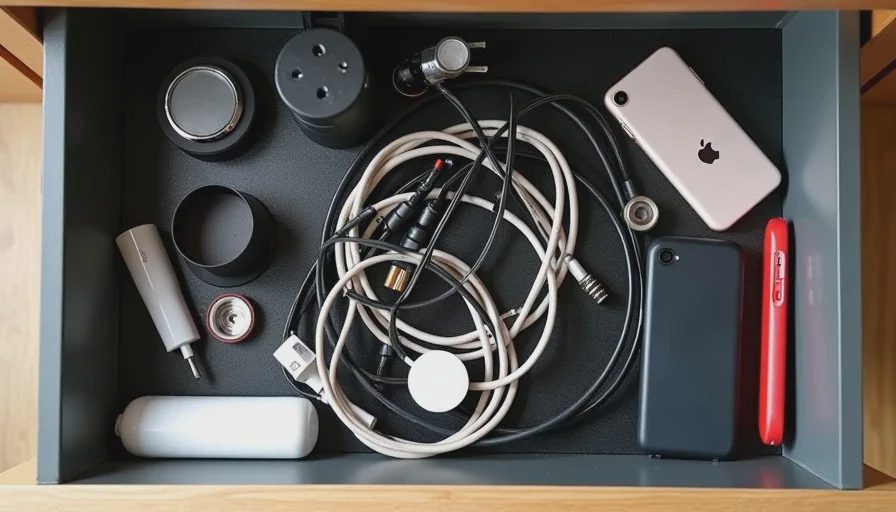
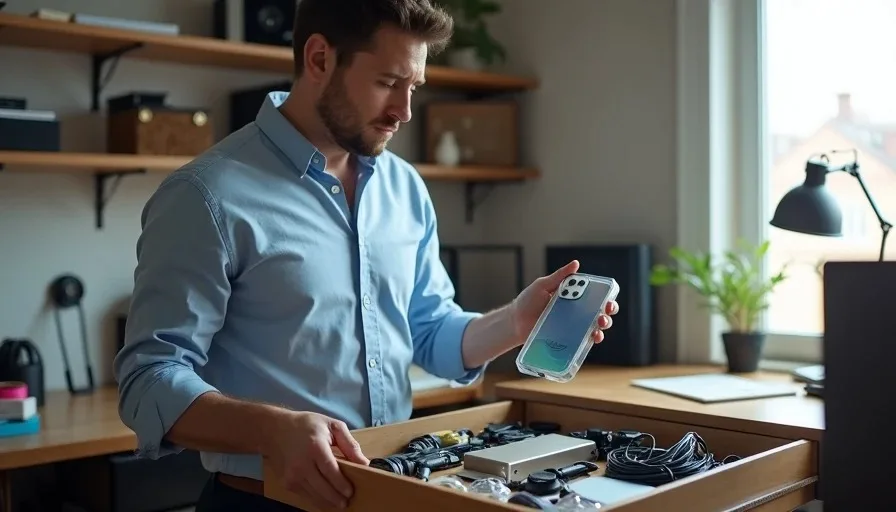
I have a labeled bin in my office filled with phone accessories I bought because they seemed useful at the moment. Magnetic mounts that never stuck right, lens kits I used twice, cable organizers that created more mess than they solved, and a wallet case that made my phone too thick for my front pocket. The bin is not a trophy case. It is a reminder that most phone accessories solve problems that only exist in a product listing.
The best phone accessories worth buying share one trait: they remove a daily friction you already feel. The ones you do not need usually add a new step, a new thing to carry, or a new way to be annoyed. This guide breaks down the difference based on years of retail work and my own trial and error.
Why People Buy Phone Accessories They Never Use
The moment after buying a new phone feels like the right time to buy everything for it. Retailers know this. The accessory wall is placed right next to the phone display for a reason. You are already spending money, and a case, screen protector, lens kit, and wireless charger seem like small additions compared to the phone itself. But most of those additions are solving problems that are not actually problems.
The Accessory Aisle Problem
In-store, accessories are often presented as protection and enhancement. But many of them are built around fear: fear of dropping, scratching, running out of battery, missing a photo opportunity. That fear sells more than utility. I watched customers leave with a bag full of items they never asked for and never needed because the sales conversation planted a worry.
The Gadget Enthusiasm Gap
Some accessories are made for people who treat their phone like a camera rig or a gaming device. That is a small group. For most people, the phone is a communication and organization tool. Buying accessories designed for power users creates a mismatch. The result is a product that gets used once and then lives in a drawer.
Phone Accessories Most People Don’t Need
Clip-On Camera Lens Kits
Unless you are trying to shoot a short film or need specific macro shots for work, clip-on lenses rarely improve your phone photos. Modern phone cameras are already good at the things most people photograph: people, places, food, documents. Adding a cheap lens often makes the photo worse—softer, more distorted, or harder to frame. The money is better spent on a small tripod or a cleaning cloth.
Magnetic Phone Mounts for Every Surface
Magnetic mounts can work if you have a specific spot, like a car vent or a desk. But buying a mount for every possible location—bed, kitchen, bathroom, bag—creates clutter. The mount also requires a magnetic case or metal plate, which changes the feel of the phone. If you only use a mount in the car, buy one car mount and stop there.
Elaborate Cable Organizers and Cord Keepers
Cable clutter is real, but the solution is not a complicated organizer with twenty slots and elastic loops. Most people do not maintain those systems, and they end up adding another object to the drawer. A few Velcro ties or a simple pouch works better than a multi-layer organizer that takes effort to use.
Wireless Charging Stands for Every Room
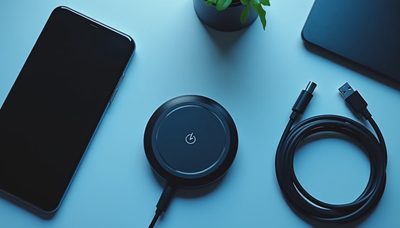
Wireless charging is convenient, but you probably only need one or two spots: a nightstand and maybe a desk. Having a wireless charger in the living room, kitchen, and hallway means you are spending money to solve a problem you do not have. Most people pick up their phone and use it while it charges, which wireless charging makes harder anyway.
Decorative or Heavy Cases
A case should protect the phone without making it hard to hold or carry. Some cases add so much bulk that the phone no longer fits comfortably in a pocket or a small bag. If you are buying a case for looks and it makes the phone worse to use, it is not a good case. Practical protection and grip matter more than design details.
The Few Phone Accessories That Actually Help
A Good Screen Protector
A screen protector is one of the few accessories I recommend without hesitation. A scratched screen makes the whole phone feel older than it is, and a cracked screen turns a small mistake into an expensive repair. A tempered glass protector that fits the phone properly will not interfere with touch or clarity. It costs little and saves a lot of frustration.
A Well-Fitting Case with a Good Grip
A case that improves grip is more valuable than a case that only changes the look. Phones have become smooth and slippery. A case with a slightly textured back or a soft-touch finish makes the phone easier to hold, especially one-handed. It also protects the edges from drops. You do not need a heavy armored case unless your work environment is rough. You need enough protection for normal daily accidents.
One Reliable Power Bank
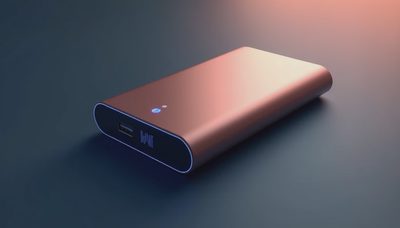
A power bank is useful if you regularly spend long days away from outlets—travel, outdoor events, long commutes. But you only need one. Buy a compact model with enough capacity to charge your phone once or twice, and carry it when you know you will need it. Do not buy a massive battery that stays at home because it is too heavy for a bag.
A Short, Durable Cable for the Bag
A dedicated bag cable saves more time than most accessories. Keep a short braided cable in your daily bag and leave it there. It pairs with the bag charger you already have, and it prevents the “I have a charger but no cable” moment. The cable should be short enough to pack easily but long enough to reach a wall outlet or a power bank without twisting.
A Simple Phone Stand for the Desk
If you spend hours at a desk, a basic phone stand keeps the screen visible without you holding it. It helps with video calls, checking notifications, or following a recipe. A simple folding stand costs little and takes up almost no space. Skip stands with wireless charging, fans, or extra arms unless you have a specific need.
A Simple Test Before Buying Any Phone Accessory
Before you buy an accessory, ask yourself one question: What specific daily problem does this solve?
If the answer is vague—“it might be useful” or “it looks cool”—put it back. If the answer is concrete—“my phone slips out of my hand” or “my screen gets scratched in my bag”—then the accessory has a reason to exist.
This test works for cases, chargers, mounts, stands, and everything else on the accessory wall. It will not make every decision easy, but it will prevent most impulse purchases.
How to Build a Lean Phone Accessory Setup
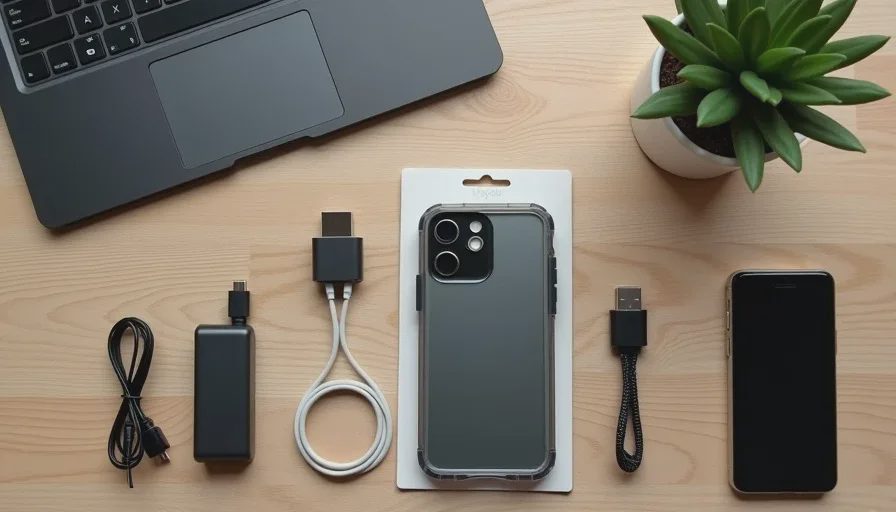
A lean setup covers the basics without clutter. Here is what I recommend for most people:
A tempered glass screen protector installed on day one.
A simple, grippy case that fits the phone and your hand.
One compact power bank for long days away from outlets.
One short braided cable stored in the daily bag.
One basic desk stand if you work at a desk for long periods.
That is it. Five items, each with a clear purpose. If you already have these, you do not need more accessories. You need to stop shopping and start using what you have.
Final Note: The Best Accessory Is a Good Habit
The most useful phone accessory is not something you buy. It is the habit of keeping your phone charged, your screen clean, and your bag organized. A clean microfiber cloth in your desk drawer does more for daily experience than a lens kit. A simple routine for charging overnight prevents more stress than a fast charger in every room.
The next time you are tempted by a phone accessory, remember the bin in my office. Most of what looks useful in the store becomes clutter at home. Buy the few things that remove real friction, and skip the rest. Your phone—and your drawer—will feel better for it.