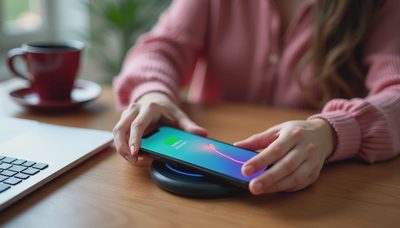
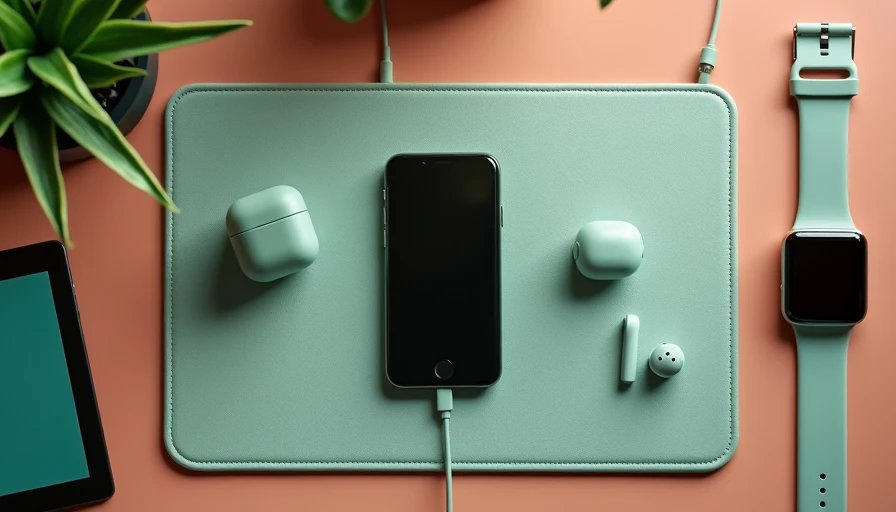
A charging mat for multiple devices can turn the corner of your desk or nightstand from a cable pile into a predictable charging station. Instead of searching for separate spots for your phone, earbuds, smartwatch, and spare accessories, you place the devices where you naturally reach for them. The idea is simple, but the buying decision is not. Charging speed, compatibility, layout, heat, and the included power adapter all affect whether the mat becomes a daily convenience or another gadget you stop using after a week.
The right model should match your routine, not just promise the highest number on its product page. A person charging an iPhone and AirPods has different needs from someone charging a Samsung Galaxy phone, Galaxy Buds, and a smartwatch. Buy for how you live, not for how it looks on the spec sheet.
What a Charging Mat for Multiple Devices Actually Does
Most mats use wireless charging coils arranged across one flat surface. Depending on the design, you can charge two or three compatible devices at once, usually a phone plus earbuds and a watch. Some have a marked charging zone, while others let you place devices more freely. The second style looks cleaner, but it can require more careful positioning.
A charging mat for multiple devices is not automatically a universal charger. Qi and Qi2 phones generally work with compatible wireless pads, but Apple Watch models use a dedicated charging system. Some mats include a built-in Apple Watch puck, while others provide only a slot or space for you to add your own charger. That distinction matters. A low-priced mat may look ready for three devices when it really charges only two and holds the third.
Power input matters just as much. A mat might advertise multiple charging positions, yet the box may include a weak USB-A adapter or no wall adapter at all. For a modern phone, a USB-C power adapter with enough wattage is a better starting point. Without it, charging can be slow, intermittent, or limited when every position is occupied.
Match the Layout to Your Nightstand or Desk
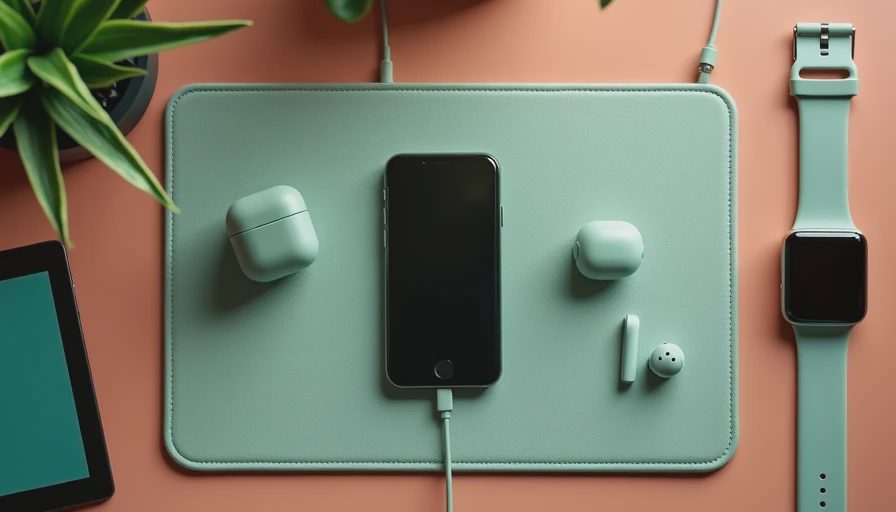
Flat mats work well beside a bed because they are easy to use in the dark. You can set down a phone without lining it up with a narrow stand, and there is less chance of knocking over a vertical charger. A desk user may prefer a raised phone stand, since it keeps notifications visible during a video call and leaves space for a keyboard or notebook.
A charging mat for multiple devices should also have enough physical separation. Small earbuds cases can sit close to a phone, but a large phone in a rugged case may cover an adjacent charging coil. Look for a surface at least wide enough for your largest device plus the accessories you actually use. Three charging zones packed tightly together are less useful than two well-spaced zones.
Material affects daily ownership more than product photos suggest. Soft fabric or rubber can keep devices from sliding and reduce scratches, while glossy plastic tends to show fingerprints and dust. A mat with stitched edges is usually easier to live with than one covered in a thin coating that begins peeling near the corners. A removable or replaceable cable is another practical advantage if the original cord becomes damaged.
For travel, thickness and weight matter. A slim mat can fit in a laptop sleeve, but extremely thin designs may lack cooling space or feel flimsy. If it will stay on a dresser, spend more attention on stable feet, cable routing, and whether the surface stays put when you grab your phone.
Check Compatibility Before You Pay
The phrase charging mat for multiple devices covers several different product types. Some models are built mainly for Apple users and include an iPhone, AirPods, and Apple Watch arrangement. Others support Qi or Qi2 phones and earbuds but leave smartwatch charging to a separate cable. Android users should confirm that both the phone and watch are supported; a Galaxy Watch, Pixel Watch, or Garmin device may not use the same charger.
Magnetic alignment can make wireless charging easier, but the magnet standard matters. Qi2 provides a more predictable magnetic connection for supported phones and cases. An iPhone with MagSafe accessories may attach securely to one design, while a regular Qi phone may only charge when placed over the correct area. Do not assume that a product showing an attractive magnetic phone position supports every phone shown in the listing.
Cases deserve a quick check, too. Thin silicone or standard plastic cases usually work, but thick wallet cases, metal plates, pop grips, and magnetic car-mount inserts can block charging. If you use a rugged case, confirm the mat's recommended case thickness before ordering. Removing a case every night defeats much of the convenience.

Heat, Speed, and Safety Are More Important Than Big Numbers
Wireless charging creates more heat than plugging in directly, especially when a device is poorly aligned. Heat can slow charging and add unnecessary battery stress over time. Look for over-temperature protection, foreign-object detection, over-voltage protection, and a reputable power supply. Those features are more useful than a dramatic maximum wattage that applies only to one device under ideal conditions.
Charging speeds also depend on the phone, software, adapter, and how many devices are charging. A mat might deliver fast wireless charging to one compatible phone but drop to slower output when earbuds and a watch are added. That is perfectly acceptable for overnight use. It is less suitable if you need to add 50 percent to a phone during a short lunch break.
Brands such as Belkin, Anker, Nomad, and Twelve South usually provide clearer compatibility information and stronger physical design, though their prices can land around $70 to $150. Budget models from Amazon can cost $25 to $50 and sometimes work well, but inspect reviews for repeated reports of buzzing, missed charging, heat, or a missing wall adapter. The cheapest option is not a bargain if it leaves your phone at 12 percent every morning.
A Simple Buying Process That Avoids Regret
Start by writing down the devices you charge every night. Include the exact phone, earbuds, watch, and case. Then decide whether you need simultaneous charging or simply want fewer visible cables. If you only charge one phone and earbuds, a compact two-device pad may be smarter than a large three-device station.
Next, choose the placement. A bedside mat should be flat, quiet, and easy to find by touch. A work-desk model can benefit from a stand and visible charging indicators. For a shared household, wider spacing and separate zones prevent one person from bumping the other person's phone.
Finally, confirm the power adapter, warranty, return window, and cable length. A six-foot cable can solve an awkward outlet location, while a short fixed cable can make a beautiful mat frustrating. Spend roughly $40 to $80 for a dependable everyday model, then move higher only when you need Qi2 alignment, premium materials, or a built-in watch charger.
Who Should Buy One and Who Should Skip It
A charging mat for multiple devices makes sense for someone who charges several personal devices in one place and wants a repeatable habit. It is especially useful on a nightstand, shared desk, or home office where three separate cables create clutter. The gain is not just appearance; it is fewer missing cables and less time spent deciding where each device belongs.
Skip the mat if your devices live in different rooms, if you frequently need wired fast charging, or if your phone case blocks wireless power. A multi-port USB-C charger with short cables can be cheaper, faster, and more flexible. It is also the better choice for tablets and laptops, which often need more power than a wireless surface can provide.
For many people, the best charging mat for multiple devices is a well-spaced two- or three-device model from a company that clearly lists supported phones, watches, adapters, and charging behavior. Check those details before admiring the design. The cleanest setup is the one you can use every day without repositioning devices, swapping cables, or wondering whether anything actually charged.